
Introduction
Roblox is not really a game. It is a platform — a sprawling, kaleidoscopic ecosystem of tens of millions of player-built worlds stitched together by a single avatar, a single currency, and a single shared imagination. To open Roblox is to open a doorway not to one experience but to thousands: a tycoon simulator, a horror map, a fashion runway, a battle royale, a virtual concert, a coffee shop where players role-play as baristas. All of it is made by users, for users, and a great deal of it is made by teenagers and children who learned to code by trying.
In an industry obsessed with cinematic budgets and photorealistic graphics, Roblox has done something quietly radical. It has turned every player into a potential creator, every creator into a potential entrepreneur, and every social circle into a potential game studio. The result is a platform that, by sheer scale of imagination, dwarfs almost every traditional publisher on Earth.
History: From a Physics Demo to a Global Phenomenon
Roblox traces its origins to the early 2000s, when co-founders David Baszucki and Erik Cassel built a physics-simulation tool called Interactive Physics. Watching students experiment with the software — building cars, demolishing structures, inventing miniature contraptions — the two saw something more interesting than a teaching aid. They saw a sandbox. In 2004 they began work on a platform that would let anyone, anywhere, build interactive 3D worlds out of digital bricks. By 2006, Roblox launched publicly.
For its first decade, Roblox grew steadily but quietly. It was a curiosity, beloved by a passionate community of young creators, largely invisible to mainstream gaming press. That changed in the late 2010s. Mobile growth, the rise of YouTube and Twitch creators, and improvements to the Roblox Studio toolset combined to push the platform into the cultural mainstream. By the time the pandemic forced the world indoors in 2020, Roblox was already there — waiting, ready, with a built-in social layer and a library that updated every minute.
Its 2021 direct listing on the New York Stock Exchange valued the company at more than $40 billion on day one. Today Roblox is a publicly traded giant, a hosting platform for one of the largest creative economies in entertainment, and a daily ritual for an entire generation of players.
Gameplay: Many Games, One Avatar
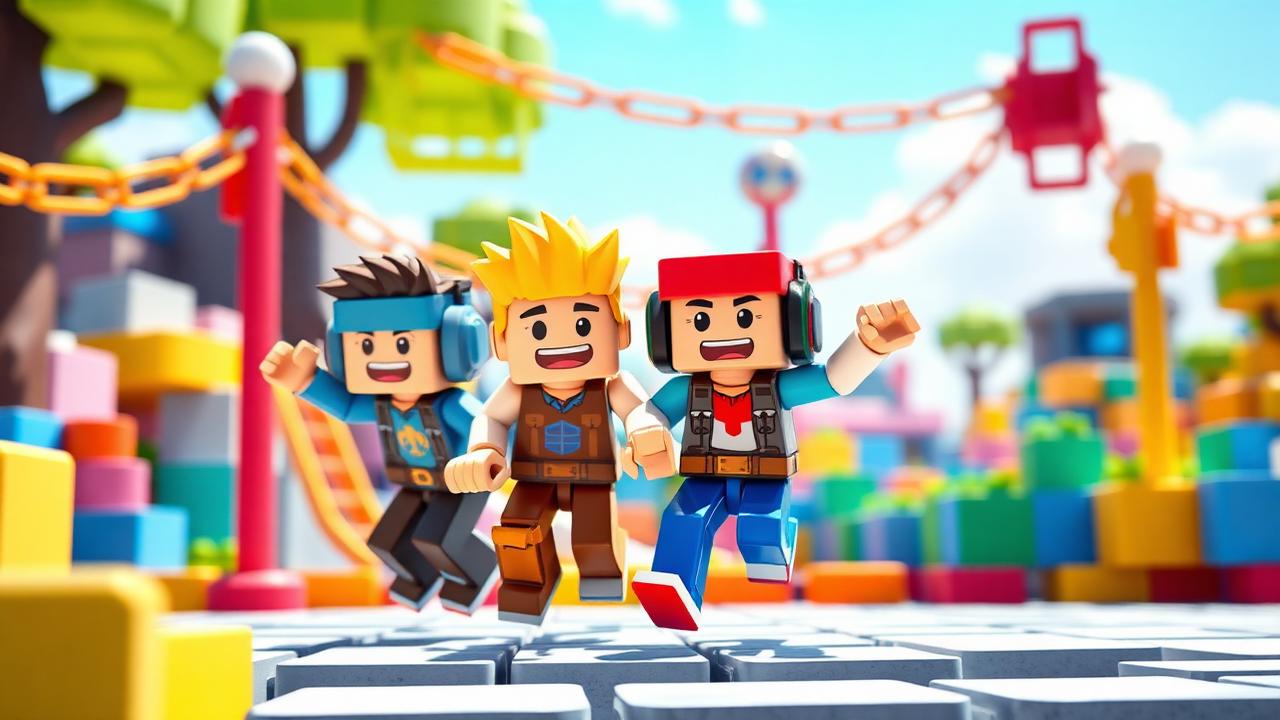
The simplest way to describe Roblox to a newcomer is to compare it to a theme park. The Roblox app itself is the front gate. Inside, instead of a single attraction, there are tens of millions of rides — each one designed and operated by an independent creator. A player can spend an afternoon racing in a high-speed driving simulator, then switch to a survival-horror map set in an abandoned hospital, then meet friends in a relaxed hangout space designed to look like a Tokyo café.
What ties it all together is the avatar. Players spend real care customizing a single character — hair, outfits, accessories, animations — and that character travels with them across every experience. A favorite hat earned in one world is worn in the next. A purchased dance emote works at any virtual party. The avatar is identity, fashion statement, and continuity all at once.
Underneath the playful surface runs a powerful engine. Roblox experiences are built in Roblox Studio using Luau, a fast scripting language derived from Lua. Creators can sculpt terrain, write physics-driven mechanics, build economies, design UI, and publish updates to a global audience without a download, a patch process, or a publisher gatekeeper. Press a button and the world is live.
Popular Features and Standout Experiences
Roblox is best understood through its hits. A handful of community-built experiences have grown so large they have become cultural reference points in their own right.
Adopt Me! is a pet-collecting and role-play game that has hosted billions of visits, beloved especially by younger players for its bright art and tradeable creatures. Brookhaven RP is a small-town life simulator that has become one of the most-played experiences on the entire internet — a digital equivalent of dolls and dollhouses, scaled to millions. Blox Fruits turned anime-inspired adventure RPGs into a Roblox staple. Doors proved that a small team could build a viral horror hit on a shoestring. Tower of Hell distilled the obstacle-course genre to its purest, most punishing form.
Beyond games, Roblox has hosted virtual concerts that have drawn audiences larger than most physical venues could ever hold. Brands, musicians, and film studios have built promotional experiences inside the platform, recognizing that for a huge slice of younger consumers, Roblox is simply where culture happens.
The Community: Creators, Players, and a Real Economy
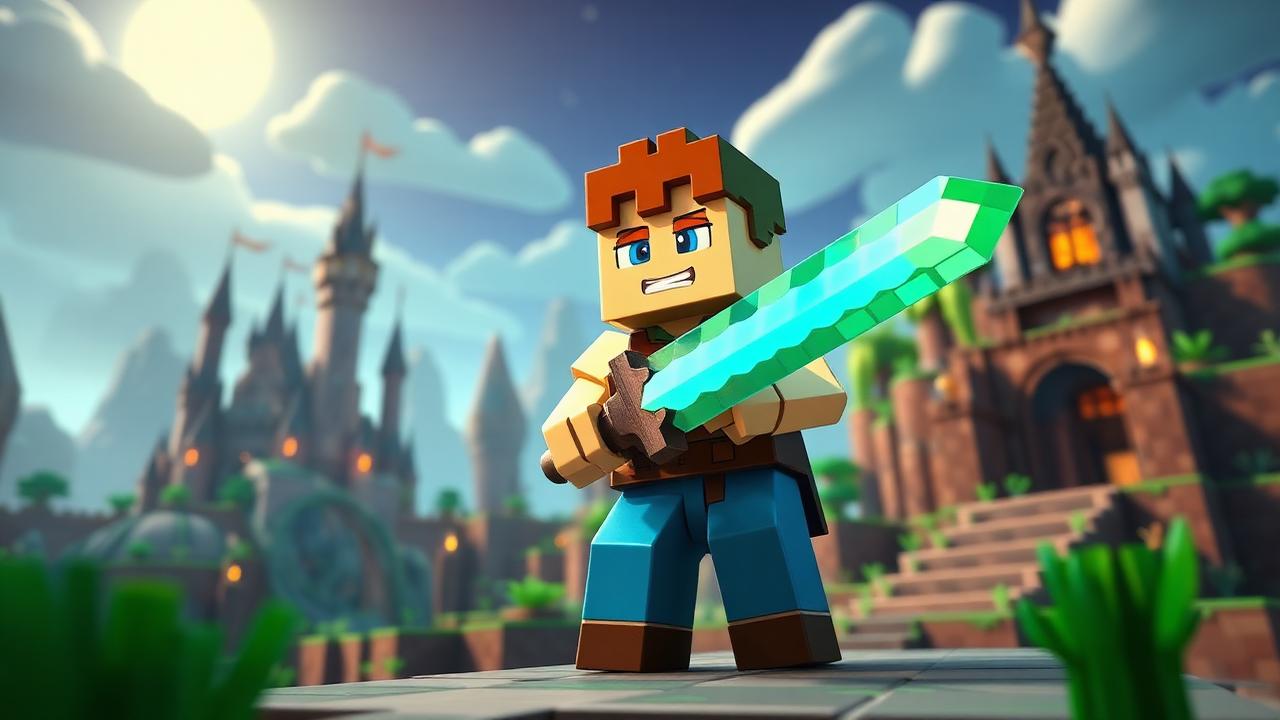
Strip away the avatars and bright colors and what remains is a community — millions of people building, playing, trading, mentoring, and arguing in equal measure. Roblox's most distinctive feature is not any one game but the social fabric it has woven. Friend groups meet on Roblox the way previous generations met at the mall or the schoolyard. Whole subcultures have formed around specific games, specific creators, even specific fashion trends in the avatar marketplace.
Crucially, this community is also an economy. Roblox's in-platform currency, Robux, can be earned by creators through the Developer Exchange program and converted into real-world money. Top studios on Roblox now generate millions of dollars a year, and many of them were founded by teenagers who taught themselves Luau scripting in their bedrooms. The platform's creator fund, accelerator programs, and education initiatives have turned what began as a hobby into a viable career path for a generation of designers, artists, and programmers.
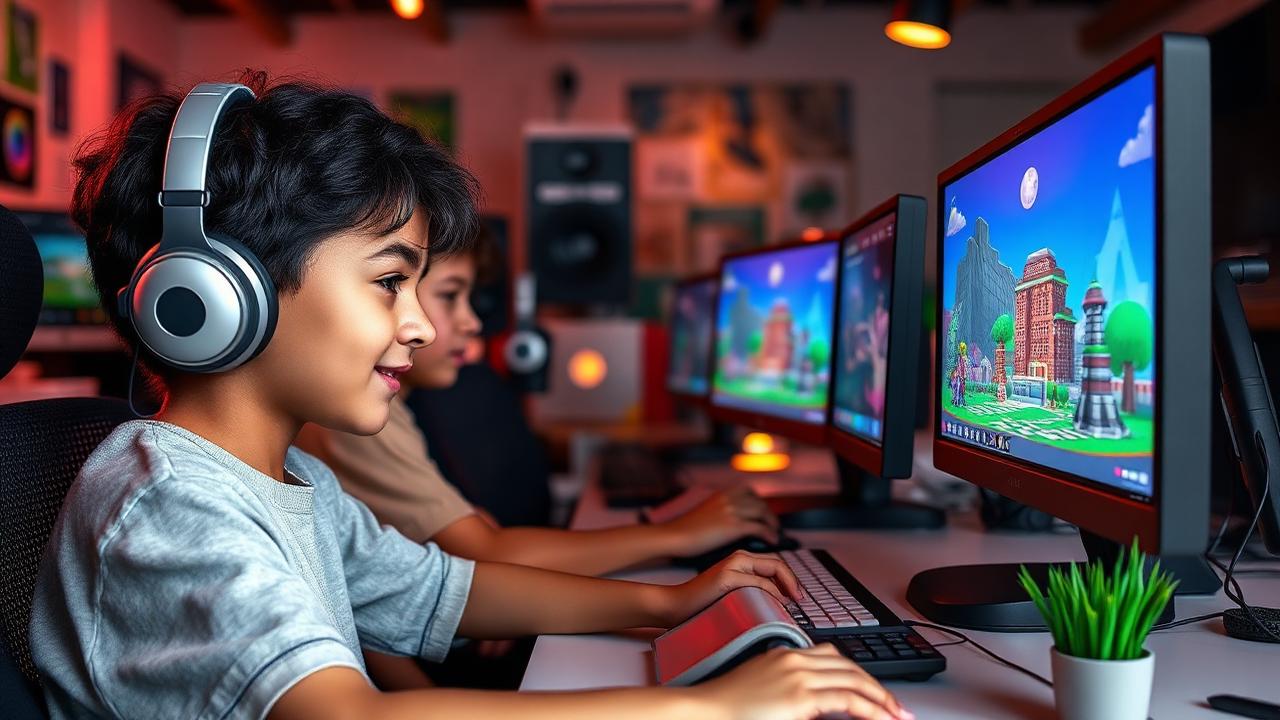
That social and economic intensity has made safety a central concern for the company. Roblox has invested heavily in moderation, parental controls, age verification, and content review systems. Account-level settings let parents restrict who their child can chat with, which experiences they can access, and how much they can spend. The platform is not perfect — no platform of its size ever is — but the conversation about how to keep young players safe online is one Roblox has been forced to lead rather than follow.
Tips for Beginners
For anyone stepping into Roblox for the first time, the sheer scale of choice can be paralyzing. A few small habits make the experience dramatically smoother.
- Take a moment with your avatar. It's your passport across every experience. A few minutes spent customizing it pays off the longer you play.
- Start with the front page. Roblox's homepage curates the most popular, trending, and recommended experiences. It is the easiest way to find quality without getting lost.
- Try several genres. Don't judge the platform by your first game. Obstacle courses, role-play, tycoons, horror, and simulators all feel completely different.
- Use friends and parties. Roblox is fundamentally social. Joining a friend's server or starting a party is where the platform shines.
- Adjust the settings. Turn on graphics quality that suits your device, set chat filters to a level you're comfortable with, and explore privacy options.
- Spend Robux carefully. Limited-edition avatar items can hold or grow in value; impulse purchases in random games often don't. Take your time.
- If you're curious, open Studio. Roblox Studio is free, well-documented, and surprisingly approachable. Even a single afternoon of tinkering changes how you see every experience you play.
Conclusion
Roblox is easy to underestimate. From the outside it looks like blocks and bright colors, a children's plaything dressed up in primary palettes. Look closer and it is one of the most consequential platforms in modern entertainment: a place where games are made and played in the same breath, where culture and commerce intermingle, and where an entire generation is quietly learning that the worlds they inhabit can also be built.
Whether it remains the defining social platform of the next decade or yields that crown to a successor, Roblox has already changed the rules. It has proven that the audience for creation is far larger than the industry assumed, that the line between player and developer is mostly a habit, and that the future of games may look less like a finished product and more like an infinite, ongoing conversation between millions of imaginations. The doorway is open. All you have to do is step through.